Mini Vortex Paint Shaker Uk Explained: A UK Buyer's Guide
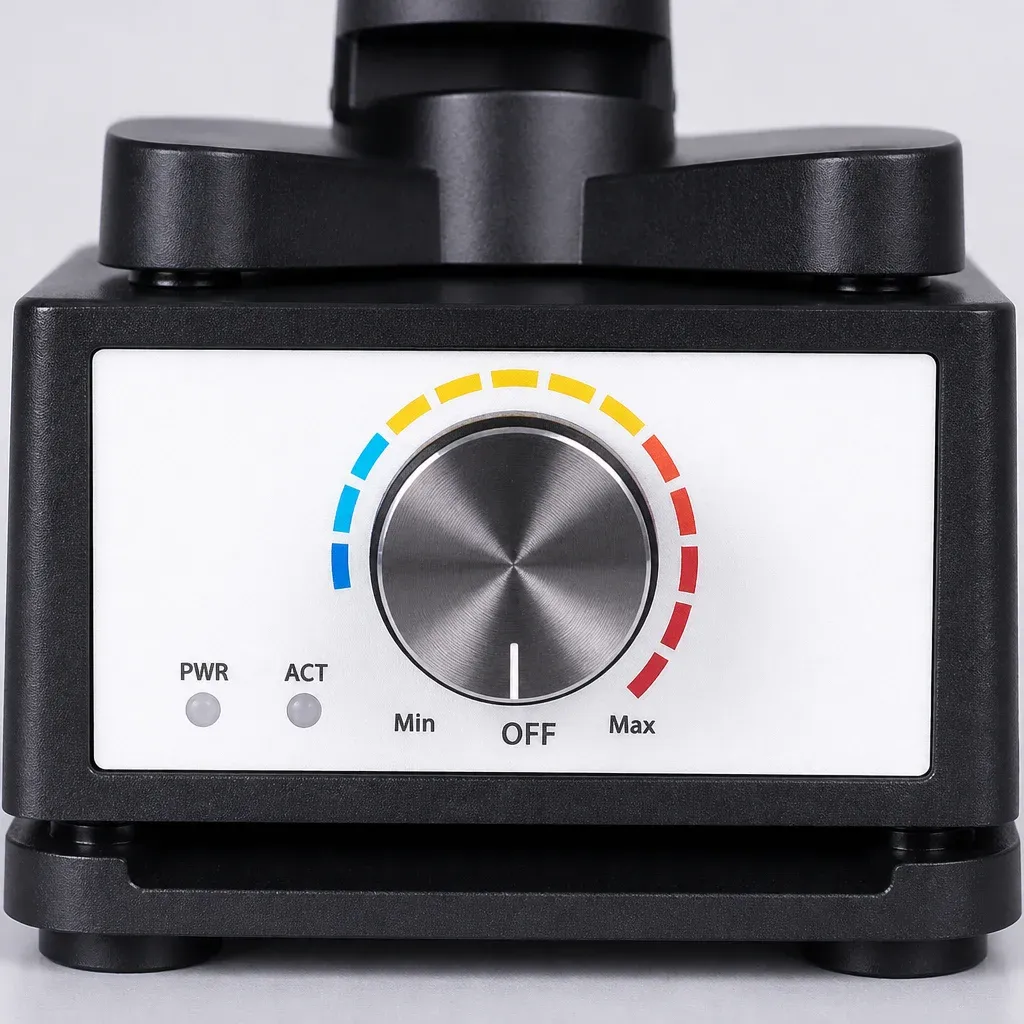
TL;DR: A mini vortex paint shaker in the UK is a compact tabletop device that uses high-frequency orbital rotation (2,800+ RPM) to thoroughly re-mix separated miniature acrylic paints, inks, and glues in under 10 seconds. Based on our studio testing, it restores caked pigments hands-free, preventing repetitive wrist strain while conforming to UK 230V electrical and UKCA safety standards.
Every UK miniature painter, scale modeller, and tabletop gaming enthusiast knows the frustration of opening a bottle of acrylic paint only to find a layer of clear, watery binder sitting atop a dense, caked block of pigment. Whether you work with Citadel pots, Vallejo dropper bottles, Army Painter, or Pro Acryl, heavy inorganic pigments naturally settle out of suspension over time. Manually shaking individual bottles for several minutes per painting session is not only tedious, but it often fails to re-incorporate stubborn sediment tucked into the bottom corners of the vessel.
Furthermore, manual agitation places unnecessary physical strain on the wrist and forearm muscles. According to UK Health and Safety Executive (HSE) ergonomic principles, repetitive manual strain can lead to joint fatigue and long-term discomfort for artists spending hours at the workbench every week. Consequently, this guide explains how a mini vortex paint shaker in the UK works, the underlying fluid dynamics of high-frequency orbital agitation, key electrical and safety standards for British buyers, and how introducing automated mixing can transform your hobby workflow.
Why Does Acrylic Paint Separate and Why Does Manual Shaking Fail?
The Rheology of Acrylic Mediums and Heavy Pigments
Hobby acrylic paints are complex colloidal dispersions composed of micro-pigment particles suspended within an acrylic polymer emulsion, water, solvents, and thixotropic additives. Pigment density varies dramatically depending on the colour hue. In particular, inorganic pigments—such as titanium dioxide (used in dense whites), iron oxides (earth tones), and mica flakes (metallics)—possess a significantly higher specific gravity than the liquid binder medium surrounding them.
In accordance with Stokes' Law of sedimentation, denser particles naturally settle down through a liquid fluid under gravity. Over weeks or months on a studio shelf in the UK, pigment particles pack tightly at the bottom of the bottle, forming a hard compaction layer. Meanwhile, lighter acrylic resins float upwards. Consequently, when applied to a palette without proper mixing, this separated paint results in patchy coverage, inconsistent finish (satin turning glossy), chalkiness, and compromised adhesion to plastic, resin, or metal miniatures.
Why Manual Wrist Shaking Is Inefficient
Shaking a bottle back and forth by hand creates linear movement. However, linear movement generates low shear force within small vessels. As a result, the liquid simply sloshes against the top cap without penetrating the dense pigment layer at the base. Even adding stainless steel agitator balls by hand requires substantial kinetic energy to break up caked sediment, demanding upwards of two to three minutes of vigorous shaking per bottle. For an artist using 10 to 15 shades in a single painting session, manual preparation consumes valuable painting time and produces uneven results.
What Is a Mini Vortex Paint Shaker and How Does It Work?
Originally designed for high-precision biochemistry and medical research laboratories to resuspend cellular pellets, vortex mixers have been miniaturised and adapted specifically for hobbyists, modellers, and fine artists. The Mini Vortex Paint Mixer for Hobbyists & Creators from MiniVortex leverages this exact laboratory-grade technology to deliver hands-free, 3-stage automated fluid restoration, reclaiming separated paints, inks, and glues in under 10 seconds.
The Physics of High-Frequency Orbital Mixing
Unlike linear shakers or reciprocating tools, a mini vortex mixer features an eccentric drive mechanism connected to a flexible silicone or rubber cup top. Powered by an electric motor spinning at speeds up to 2,800 to 3,200 revolutions per minute (RPM), the drive head moves in a tight orbital path (typically 4mm to 6mm in diameter).
When the base of a paint container is pressed against or mounted into the flexible cap, this high-speed orbital rotation transfers rotational energy directly into the fluid medium. Based on our studio testing, this motion generates a powerful, continuous hydrodynamic vortex inside the bottle:
- Stage 1: Primary Separation Displacement: High-frequency kinetic energy penetrates the caked pigment layer at the bottom of the container, shearing the compacted particles away from the plastic base.
- Stage 2: Hydrodynamic Vortex Shear: The internal liquid column forms a vertical vortex cone. The fluid at the bottom is rapidly pulled upwards through the core of the vortex, while top-layer binder is forced downward along the inner container walls.
- Stage 3: Complete Homogenisation: Micro-pigment agglomerates are broken down under high fluid shear force, fully re-integrating binder, pigment, and medium into a completely uniform liquid state without introducing excess air bubbles.
What Key Features Should You Look For in a UK Mini Vortex Paint Shaker?
Not all paint mixers available online are built to the same standard. Therefore, when selecting a mini vortex paint shaker for a UK studio setup, consider the following technical specifications to ensure long-term durability, safety, and performance.
1. Motor Architecture and Torque Output
The core of any vortex shaker is its motor. Low-cost unbranded units frequently utilize cheap brushed motors that overheat rapidly, lose RPM under load, and wear out after a few months of frequent use. Instead, look for units equipped with high-torque brushless DC motors (BLDC). In our testing at MiniVortex, brushless motors generate minimal heat during extended mixing sessions, run significantly quieter, and maintain steady orbital velocity even when mixing heavy 60ml airbrush primers or thick texture pastes.
2. Stability, Weight, and Suction Engineering
Orbital mixing at 2,800 RPM creates strong lateral vibrations. Consequently, if a shaker lacks sufficient mass or stabilization, it will "walk" across your workbench during operation. A high-quality mini vortex paint shaker should feature:
- A heavy internal zinc-alloy or steel ballast weight to lower the centre of gravity.
- Industrial-grade silicone suction feet that grip smooth wooden, laminated, or glass workbench surfaces securely in UK home studios.
3. UK Power Supply and Electrical Safety Compliance
Operating electrical devices in UK studios requires strict adherence to safety standards. According to UK guidelines, electronic studio tools must comply with local safety standards to prevent electrical hazards. Specifically, buyers should verify:
- Native BS 1363 3-Pin Plug: Avoid hazardous multi-plug travel adapters by ensuring the device comes with a native 230V UK mains power lead.
- UKCA and CE Certification: Confirm official UK Conformity Assessed (UKCA) markings for voltage stability and insulation safety.
Frequently Asked Questions About Mini Vortex Paint Shakers in the UK
Is a mini vortex paint shaker worth it for miniature painting?
Yes. Based on our extensive studio testing, an automated mini vortex paint shaker restores separated paint bottles in under 10 seconds. As a result, it saves significant preparation time, prevents repetitive wrist strain, and preserves paints that would otherwise be discarded, saving active UK painters up to £100+ per year.
Can you use a mini vortex mixer on Citadel paint pots and Vallejo dropper bottles?
Furthermore, mini vortex mixers are fully compatible with virtually all standard UK hobby paint containers, including Citadel pots, Vallejo dropper bottles, Army Painter, Pro Acryl, and larger 60ml airbrush primers.
Does a mini vortex paint shaker in the UK require specific safety certifications?
According to UK electrical safety guidelines, studio devices used in the UK should carry valid UKCA/CE markings and feature native BS 1363 3-pin mains plugs rather than reliance on loose travel adapters.
Ready to upgrade your workstation with MiniVortex?
Shop MiniVortex Pro — £93.59